
How a Community of Support Can Strengthen Wellbeing and Lifelong Engagement
By Aaron Dodini, Ph.D., Founder of AXON Digital Health & Diagnosis
October is ADHD Awareness Month, and this year’s theme, “A Community of Support,” speaks directly to the promise at the heart of the fraternity and sorority experience. Membership is more than a college experience. It is a lifelong commitment to belonging, connection, and mutual care.
Our organizations can honor that commitment by helping members recognize behavioral health concerns before they become crises – and by reminding alumni that their wellbeing and success still matter years after graduation.
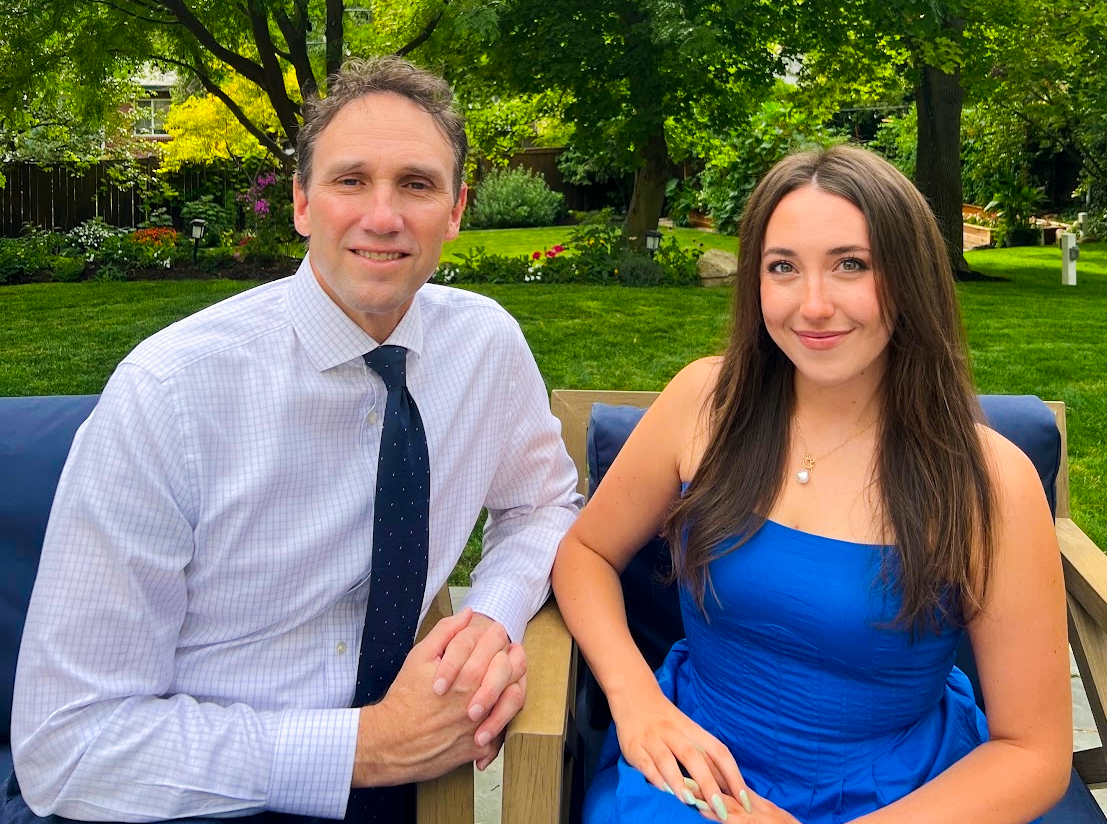
I have seen the consequences of unidentified ADHD as both a clinical psychologist and a father. I have worked with ADHD for more than 25 years, yet I still missed it in my daughter, Sydney. A former high school valedictorian, she succeeded during her first year of college. Then, one week before finals in her sophomore year, she called to say she was failing most of her classes and needed a medical leave.
Her ADHD had remained hidden until executive function issues, anxiety, and depression brought her and our family to a crisis. With an accurate diagnosis, treatment, and support, she returned to college, graduated with honors, and is now thriving in her career.
Sydney’s story ended well. Too many others are still waiting for answers.
A 2023 CDC survey estimated that 15.5 million U.S. adults — about one in 16 — had a current ADHD diagnosis. More than half were not diagnosed until adulthood, and 36.5% reported receiving neither medication nor counseling or behavioral treatment during the preceding year.
Those figures include only people who know they have ADHD. In fact, only one in 9 people with ADHD have ever been diagnosed. That means literally millions of students and alumni whose ADHD remains unidentified may interpret chronic difficulty as personal failure.
The consequences of unidentified ADHD can affect education, careers, finances, relationships, and emotional wellbeing. Awareness matters, but awareness without an accessible pathway to care is incomplete.
A better approach begins with confidential, proactive behavioral health screening to identify those who may benefit from a comprehensive ADHD eval providing an easy path for care.
Fraternity and sorority foundations and national offices are uniquely positioned to make that pathway available. Imagine offering collegiate members and alumni free, confidential behavioral health screening, along with a reduced-rate comprehensive ADHD evaluation when appropriate. The message would be larger than the benefit itself:
Your organization still sees you. Your wellbeing matters. Your membership continues to have value. You do not have to navigate this alone.
For a student, that opportunity could mean receiving help before failing a semester. For an alumnus, it could mean finally understanding decades of frustration and self-blame.
It could also create a powerful connection across generations. Imagine an alumnus who receives an ADHD diagnosis at age 42 and finally understands why college, work, or relationships were so difficult. That alumnus may return to the chapter and tell younger members, “Do not wait 20 years for the answers I just received.”
That is mentorship rooted in lived experience. It turns one person’s discovery into community knowledge and allows alumni to protect the potential of those coming behind them.
It also creates a new model for alumni engagement and foundation fundraising.
Most alumni hear from their organizations when there is an event to attend or a gift to make. A lifelong behavioral health benefit reverses that direction. Before asking alumni to support the organization, the organization demonstrates that it still supports them.
When alumni receive meaningful help — or see that help change a life — their connection becomes personal again. They have a reason to reengage, volunteer, share their story, and remain part of the community. That continuing value can strengthen trust, loyalty, and philanthropic support.
It can also create a natural “pay it forward” opportunity. Alumni who receive answers may want to help younger members obtain those answers sooner. Foundations could invite them to fund screenings, evaluations, or education for current students, helping another member receive support before a crisis.
Fundraising should never be the reason we care for members. But when care is genuine, generosity often becomes an expression of gratitude and belonging.
This is what “A Community of Support” can look like: identifying hidden needs, creating a path to answers, and connecting one generation’s experience with the next generation’s opportunity.
An Invitation to Partner

During ADHD Awareness Month, I invite every fraternity and sorority foundation and national office to consider making that promise tangible.
AXON Digital Health & Diagnosis is seeking partners that want to offer collegiate members and alumni free, confidential behavioral health screening, along with reduced-rate comprehensive ADHD evaluations when further assessment is recommended and access to care.
If you are interested in exploring how this could work for your organization, please email me at drdodini@axonadhd.com. An initial conversation requires no commitment — only a shared interest in helping members receive answers and support sooner.
Together, we can build a community of support that extends beyond graduation, strengthens lifelong belonging, and reminds every member that their organization still cares about who they become.
Source: Staley BS, Robinson LR, Claussen AH, et al. Attention-Deficit/Hyperactivity Disorder Diagnosis, Treatment, and Telehealth Use in Adults. MMWR. 2024;73:890-895.